




7 Proven Industrial IoT Solutions Revolutionizing Smart Factories
June 18, 2026
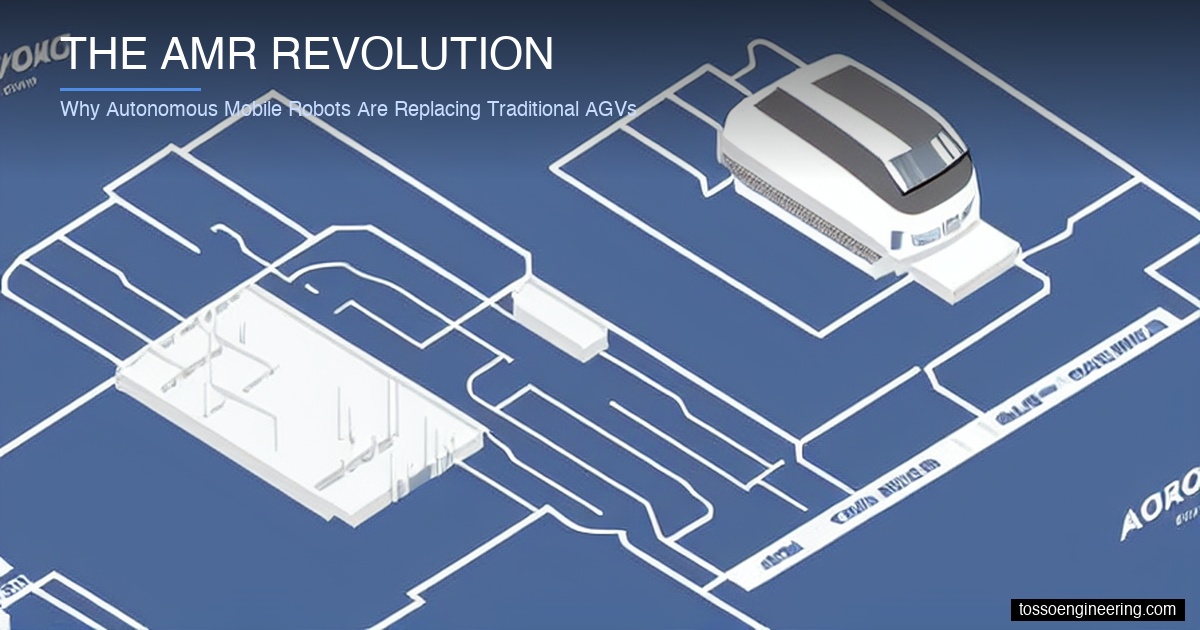
The AMR Revolution: Why Autonomous Mobile Robots Are Replacing Traditional AGVs
June 18, 2026
Healthcare robotics is rapidly becoming one of the most impactful applications of autonomous technology in the modern world. Hospitals and clinics face growing pressure to improve patient experience, reduce staff workload and maintain high service standards while managing limited resources. Autonomous service robots designed for healthcare environments address these challenges by handling routine tasks, guiding patients and supporting medical staff around the clock.
The global healthcare robotics market is expected to reach $25 billion by 2030, driven by aging populations, labor shortages and the need for operational efficiency. According to healthcare robotics research, autonomous robots are already deployed in over 500 hospitals worldwide, delivering measurable improvements in patient satisfaction and staff productivity. In this comprehensive guide, we explore 5 proven healthcare robotics solutions that are transforming hospital operations and how Tosso Engineering is leading this transformation with Dobby-Health.
Table of Contents
- Why Healthcare Needs Robotics
- Solution 1: Patient Guidance and Navigation
- Solution 2: Multilingual Patient Communication
- Solution 3: Autonomous Delivery and Logistics
- Solution 4: Disinfection and Sanitization
- Solution 5: Data Collection and Analytics
- Dobby-Health: Tosso Engineering’s Healthcare Robot
- Benefits of Healthcare Robotics for Hospitals
- Healthcare Robotics Market Trends
- How to Implement Healthcare Robots
- Frequently Asked Questions
Why Healthcare Needs Robotics

Healthcare systems worldwide face a combination of challenges that robotics can help address. The convergence of demographic shifts, labor constraints and rising patient expectations has created an urgent need for automation in medical facilities.
- Staff Shortages: The WHO projects a global shortage of 10 million healthcare workers by 2030. Nurses and administrative staff are stretched thin, spending up to 30% of their time on non-clinical tasks like giving directions and answering routine questions. Healthcare robotics solutions can handle these tasks autonomously.
- Rising Patient Expectations: Modern patients expect faster service, better communication and more personalized care experiences. They are accustomed to technology-enabled services in retail and hospitality, and they expect the same from healthcare providers.
- Cost Pressure: Hospitals must deliver better outcomes with limited budgets. Administrative costs account for up to 35% of total hospital spending. Automation through healthcare robotics reduces these costs while improving service quality.
- Multilingual Communication: International patients need support in their native language. Language barriers lead to misunderstandings, missed appointments and lower patient satisfaction. Dobby-Health communicates in 20+ languages using advanced NLP technology.
- Infection Control: Autonomous robots reduce human-to-human contact in sensitive areas, supporting hygiene protocols that became critical during the COVID-19 pandemic.
Solution 1: Patient Guidance and Navigation
Large hospitals can be confusing for patients and visitors. Finding the right department, navigating complex corridors and locating specific rooms often causes anxiety and delays. Healthcare robotics solutions address this by providing autonomous patient guidance.
Autonomous robots equipped with SLAM navigation can physically accompany patients from the reception area to their destination. Unlike static signage or mobile apps, a robot guide provides a tangible, reassuring presence that patients can follow. Studies show that robot-assisted wayfinding reduces patient navigation time by 40% and decreases missed appointments by 25%.
The robot checks appointment details in real time, communicates with hospital information systems and provides clear, step-by-step directions. For elderly patients or those with mobility challenges, the robot adjusts its pace and offers additional assistance.
Solution 2: Multilingual Patient Communication

Language barriers are one of the most significant challenges in modern healthcare. International patients often struggle to communicate their symptoms, understand treatment instructions and navigate hospital procedures. Healthcare robotics solutions with advanced NLP capabilities solve this problem.
Dobby-Health uses natural language processing models that support communication in over 20 languages. Patients can speak naturally in their preferred language, and the robot understands context, handles follow-up questions and provides accurate, culturally appropriate responses.
This capability is particularly valuable in medical tourism destinations like Turkey, where hospitals serve patients from diverse linguistic backgrounds. By eliminating language barriers, healthcare robots improve patient compliance, reduce misunderstandings and enhance overall satisfaction.
Solution 3: Autonomous Delivery and Logistics
Hospitals are complex logistics environments. Medications, lab samples, medical supplies, documents and meals must be transported between departments, floors and buildings many times each day. Currently, this relies heavily on human staff, creating bottlenecks and consuming valuable time.
Healthcare robotics solutions for delivery and logistics include autonomous mobile robots that navigate hospital corridors independently, use elevators and deliver items to precise locations. These robots operate 24/7 without breaks, ensuring that critical supplies reach their destination on time.
The benefits of autonomous hospital delivery include:
- Faster delivery times: Robots take the most efficient route and do not get distracted or delayed
- Reduced staff workload: Nurses and technicians spend less time on logistics and more on patient care
- Better traceability: Every delivery is logged with timestamp, location and recipient information
- Temperature control: Specialized robots maintain cold chain integrity for medications and lab samples
- Infection prevention: Contactless delivery reduces cross-contamination risks
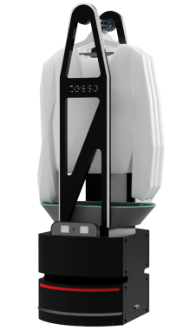
Tosso Engineering’s T-Truck platform provides the foundation for autonomous hospital logistics, with customizable payload compartments and seamless integration with hospital information systems.
Solution 4: Disinfection and Sanitization

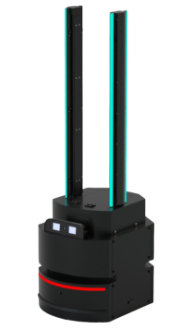
Hospital-acquired infections (HAIs) affect millions of patients worldwide each year, leading to prolonged hospital stays, increased costs and preventable deaths. Healthcare robotics solutions for disinfection use UV-C light technology to autonomously sanitize patient rooms, operating theaters, waiting areas and high-touch surfaces.
Autonomous disinfection robots operate during off-hours or between patient admissions. They navigate the room systematically, ensuring complete UV-C coverage that eliminates 99.9% of pathogens including bacteria, viruses and fungi. Unlike manual cleaning, robotic disinfection is consistent, verifiable and does not expose staff to harmful UV radiation.
Key advantages of robotic disinfection:
- Consistent coverage with measurable results
- Automated reporting for regulatory compliance
- Reduced chemical usage and environmental impact
- Operation during off-hours without disrupting patient care
- Integration with hospital scheduling systems for seamless workflow
Solution 5: Data Collection and Analytics
Beyond direct patient interaction, healthcare robotics solutions generate valuable data that helps hospital administrators optimize operations. Robots equipped with sensors and cameras collect information about patient flow, waiting times, facility utilization and service patterns.
This data enables evidence-based decision making:
- Patient flow optimization: Identify bottlenecks in the patient journey and redesign processes
- Resource allocation: Understand peak hours and staff the facility accordingly
- Service quality monitoring: Track response times, patient satisfaction and service consistency
- Predictive planning: Use historical data to forecast demand and prepare resources
- Performance benchmarking: Compare department performance and identify best practices
Dobby-Health collects anonymized interaction data that provides hospital administrators with actionable insights about patient needs, common questions and service gaps. This data-driven approach enables continuous improvement of hospital services.
Dobby-Health: Tosso Engineering’s Healthcare Robot
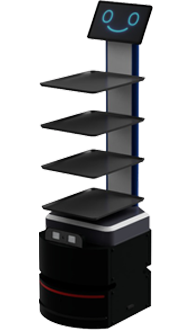
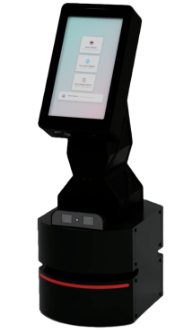
Dobby-Health is an autonomous service robot designed specifically for hospitals, clinics and healthcare facilities. It combines all five healthcare robotics solutions into a single, integrated platform that delivers comprehensive patient support.
Key Features of Dobby-Health
- Autonomous Navigation: SLAM-based navigation allows Dobby-Health to move independently through hospital corridors, elevators and patient areas without infrastructure modifications. It adapts to dynamic environments and avoids obstacles in real time.
- Multilingual NLP: Communicates with patients in 20+ languages using advanced natural language processing models. Understands context, handles follow-up questions and provides accurate medical information in the patient’s preferred language.
- Patient Accompaniment: Physically guides patients to their destination within the hospital, reducing confusion and missed appointments. The robot adjusts its pace based on patient mobility.
- Touchscreen Interface: High-resolution display for interactive information services, hospital maps, appointment details and health education content.
- Hospital System Integration: Connects with hospital information systems (HIS), electronic health records (EHR) and appointment scheduling platforms for real-time data access.
- 24/7 Operation: Continuous service without breaks, shift changes or fatigue. Consistent quality at any hour of the day or night.
- Safety Systems: Collision avoidance, emergency stop functionality and speed limitations ensure patient safety at all times.
How Dobby-Health Works in Practice
When a patient arrives at the hospital, Dobby-Health greets them at the reception area. The patient can speak in their preferred language, and Dobby-Health responds naturally using NLP. It checks the patient’s appointment details through the hospital information system, provides clear directions and physically accompanies them to the correct department.
For international patients, Dobby-Health eliminates language barriers entirely. It can explain medical procedures, provide preparation instructions and answer common questions in the patient’s native language. This improves both patient comfort and compliance with pre-procedure requirements.
During waiting times, Dobby-Health provides health education content, answers general medical questions and offers information about hospital services. This reduces perceived wait times and improves patient satisfaction scores.
Dobby-Health vs Traditional Solutions
| Feature | Dobby-Health | Human Staff | Static Signage |
|---|---|---|---|
| Languages | 20+ via NLP | Limited to staff skills | 2-3 languages |
| Availability | 24/7 without breaks | Shift-based | Always available |
| Consistency | Same quality every time | Varies by person | Fixed information |
| Patient Guidance | Physical accompaniment | Verbal directions only | Maps only |
| Data Collection | Automatic analytics | Manual reporting | None |
| Scalability | Multiple units, fleet management | Limited by hiring | Static |
Benefits of Healthcare Robotics for Hospitals

Improved Patient Satisfaction
Patients consistently report higher satisfaction scores when hospitals deploy healthcare robotics solutions. The combination of instant assistance, multilingual support and friendly interaction creates a positive experience that reflects well on the institution. Studies show a 15-20% improvement in patient satisfaction scores within 6 months of robot deployment.
Reduced Staff Workload
Healthcare workers spend significant time on non-clinical tasks like giving directions, answering routine questions and escorting patients. Dobby-Health handles these tasks autonomously, freeing up an estimated 2-3 hours per staff member per day for clinical duties.
Operational Efficiency
Healthcare robotics solutions improve patient flow, reduce waiting times and optimize the use of hospital facilities. Data collected by robots helps administrators identify bottlenecks, redesign processes and allocate resources more effectively.
Cost Savings
Healthcare robots reduce the need for additional administrative staff, improve resource utilization and decrease costly missed appointments. The initial investment is typically recovered within 18-24 months through operational savings and improved patient throughput.
Consistent Service Quality
Unlike human staff who may have varying levels of knowledge and communication skills, healthcare robotics solutions deliver consistent, accurate information every time. This is particularly important for patient safety, regulatory compliance and institutional reputation.
Competitive Advantage
Hospitals that adopt healthcare robotics gain a significant competitive advantage in attracting patients, especially medical tourists who value technology-enabled care. Robotics deployment signals innovation and commitment to patient experience.
Healthcare Robotics Market Trends
Several factors are accelerating the adoption of healthcare robotics worldwide:
- Aging Populations: By 2050, the global population aged 60+ will reach 2.1 billion, creating unprecedented demand for healthcare services while reducing the available workforce.
- Labor Shortages: Healthcare worker shortages are projected to worsen significantly, making automation essential for maintaining service levels and patient safety.
- Technology Maturity: Advances in AI, NLP, computer vision and autonomous navigation have made healthcare robotics solutions practical, reliable and affordable.
- Patient Expectations: Digital-native patients expect technology-enabled care experiences that match the convenience they experience in other sectors.
- Post-Pandemic Awareness: COVID-19 highlighted the value of reducing human contact in healthcare settings and accelerated investment in automation technologies.
- Regulatory Support: Governments are increasingly supporting healthcare automation through funding programs, regulatory frameworks and innovation incentives.
McKinsey’s healthcare technology analysis indicates that robotics and AI could save the healthcare industry $150 billion annually by 2030 through automation of routine tasks and improved operational efficiency. The World Health Organization also recognizes robotics as a key technology for addressing global healthcare workforce challenges.
How to Implement Healthcare Robots in Your Hospital
1. Assess Hospital Needs: Identify high-impact areas where healthcare robotics solutions can add immediate value. Patient guidance, information services and internal logistics are common starting points. Book a consultation with Tosso Engineering to evaluate your facility’s specific requirements.
2. Define Success Metrics: Establish clear KPIs before deployment. Patient satisfaction scores, staff workload reduction, missed appointment rates and navigation time are common metrics for healthcare robotics projects.
3. Pilot Deployment: Start with a single department or reception area. Measure patient satisfaction, staff feedback and operational metrics during the 3-month pilot period. Use data to refine the deployment strategy.
4. Staff Training: Train hospital staff to work alongside robots. Emphasize that healthcare robotics solutions support staff rather than replace them, handling routine tasks so humans can focus on clinical care.
5. System Integration: Connect the robot with existing hospital information systems for real-time appointment data, patient records and facility maps. Integration is key to maximizing the value of healthcare robotics.
6. Scale and Optimize: Expand successful pilot programs across the facility. Use data collected by robots to continuously improve patient flow, service quality and operational efficiency.
Conclusion
Healthcare robotics represents a practical, proven solution for hospitals looking to improve patient experience, reduce staff workload and optimize operations. The five solutions outlined in this guide — patient guidance, multilingual communication, autonomous delivery, disinfection and data analytics — address the most pressing challenges facing modern healthcare facilities.
Dobby-Health by Tosso Engineering integrates all five capabilities into a single autonomous platform. With 24/7 operation, 20+ language support and seamless hospital system integration, Dobby-Health delivers measurable improvements in patient satisfaction, operational efficiency and cost management.
To learn how healthcare robotics solutions can transform your facility, book a 1:1 call with our healthcare robotics team. You can also explore our full range of robotic solutions including Dobby-Serve for hospitality and Dobby-Cart for logistics.
Frequently Asked Questions
What are healthcare robotics solutions?
Healthcare robotics solutions are autonomous or semi-autonomous robotic systems deployed in hospitals, clinics and medical facilities. They assist with patient guidance, information services, logistics, disinfection and data collection. These solutions improve operational efficiency, reduce staff workload and enhance patient experience through consistent, technology-enabled service delivery.
How does Dobby-Health communicate with patients in different languages?
Dobby-Health uses advanced natural language processing (NLP) models to communicate with patients in over 20 languages. Patients can speak naturally in their preferred language, and the robot understands context, handles follow-up questions and provides accurate responses. The NLP system is continuously trained on medical terminology to ensure accuracy in healthcare contexts.
Can healthcare robots navigate autonomously in hospitals?
Yes. Modern healthcare robotics solutions like Dobby-Health use SLAM (Simultaneous Localization and Mapping) technology to navigate autonomously through hospital corridors, elevators and patient areas. The robot builds a map of the environment, detects obstacles in real time and plans efficient routes without requiring any infrastructure modifications to the hospital.
What is the return on investment for healthcare robotics?
Most hospitals see positive ROI within 18-24 months of deploying healthcare robotics solutions. Key savings come from reduced administrative staff workload, fewer missed appointments, improved patient throughput and better resource utilization. Additional value comes from improved patient satisfaction scores, which directly impact hospital rankings and patient acquisition.
Are healthcare robots safe for patients and staff?
Yes. Healthcare robotics solutions are designed with multiple safety features including collision avoidance sensors, emergency stop functions, speed limitations and secure data handling. They comply with medical device safety standards and operate under strict protocols. The robots are designed to work safely alongside patients, visitors and medical staff in dynamic hospital environments.
How long does it take to deploy a healthcare robot in a hospital?
Initial deployment of Dobby-Health typically takes 2-4 weeks, including environment mapping, system integration and staff training. A pilot program runs for 3 months to collect performance data and refine the deployment. Full facility rollout can be completed within 6-12 months depending on hospital size and complexity.