




7 Proven Industrial IoT Solutions Revolutionizing Smart Factories
June 18, 2026
Robotic engineering solutions are reshaping the way businesses operate across industrial and service sectors. From autonomous transport robots in factories and warehouses to smart service robots in healthcare, hospitality and retail, robotics is no longer a future concept. It has become a practical technology that helps companies increase efficiency, reduce operational costs and improve process reliability. According to Wikipedia’s Robotics overview, the field has evolved dramatically with advances in AI, sensors and computing power.
As industries move toward digital transformation, companies need more than standard automation systems. They need intelligent, scalable and sector-specific robotic solutions that can adapt to real operational needs. Tosso Engineering develops next-generation robotic systems, IoT-based devices and automation technologies designed for modern businesses that want to improve productivity and build smarter workflows.
Table of Contents
- What Are Robotic Engineering Solutions?
- Why Businesses Need Robotic Automation
- Robotic Solutions for Industrial Sectors
- Robotic Solutions for Service Sectors
- IoT and Remote Control in Robotics
- Key Technologies Behind Next-Generation Robots
- Industries That Benefit
- How to Plan a Robotics Project
- Return on Investment
- Frequently Asked Questions
What Are Robotic Engineering Solutions?
Robotic engineering solutions refer to the design, development and integration of robotic systems that perform physical or digital tasks with minimal human intervention. These systems combine mechanical engineering, electronics, software, artificial intelligence, sensors and communication protocols to create machines that can move, detect, analyze and act autonomously in complex environments.
A complete robotic system usually includes:
- Mechanical Design: The physical structure of the robot, including chassis, arms, wheels, motors, actuators and load-bearing components designed for specific operational requirements.
- Control Systems: PLC units, microcontrollers or embedded systems that process sensor data and control the robot’s behavior in real time.
- Sensors and Perception: LIDAR, cameras, proximity sensors, pressure sensors and other detection technologies that allow robots to understand their environment and make intelligent decisions.
- Software and AI: Navigation algorithms, route optimization, object detection, data analysis and decision-making systems that enable autonomous operation.
- Connectivity: Industrial communication protocols such as MQTT, OPC-UA, Modbus, WebSocket and cloud-based monitoring systems. Remote-C provides seamless remote control capabilities for these connected systems.
Together, these components allow robotic systems to operate safely, consistently and intelligently in real business environments, delivering measurable improvements in productivity and quality.
Why Businesses Need Robotic Engineering Solutions
Modern businesses face increasing pressure to deliver faster, safer and more cost-effective operations. Manual processes often create bottlenecks, especially in production, warehousing, logistics and repetitive service workflows. Robotic automation helps solve these challenges by creating repeatable, measurable and scalable systems.
The key advantages of robotic engineering solutions include:
Higher Operational Efficiency
Robots can perform repetitive tasks continuously without fatigue. This improves production speed, order preparation time and internal logistics performance. Tosso Engineering’s device portfolio includes solutions specifically designed to maximize operational throughput in demanding industrial environments.
Reduced Human Error
Automated robotic systems can perform precise and repeatable tasks, reducing mistakes in transportation, assembly, sorting, stock tracking and quality control. Error rates can be reduced by up to 95% compared to manual processes.
Lower Long-Term Costs
Although robotics requires an initial investment, it can reduce labor dependency, downtime, waste and energy consumption. Most companies see a return on investment within 2 to 4 years. McKinsey’s research on industrial automation confirms that companies investing in automation see 20-35% cost reductions.
Improved Workplace Safety
Dangerous tasks such as heavy lifting, exposure to chemicals or working in hazardous environments can be delegated to robots, significantly reducing workplace accidents and associated costs.
Data-Driven Decision Making
Robotic systems collect operational data in real time. This data can be used for performance analysis, predictive maintenance, workflow optimization and strategic planning across the organization.
Robotic Solutions for Industrial Sectors

Industrial sectors have been early adopters of robotic engineering solutions. The demand for speed, precision and consistency makes robotics a natural fit for manufacturing, logistics and heavy industry applications.
Factory Automation
In modern factories, robots handle welding, painting, assembly, quality inspection and material handling. These systems operate 24/7 with consistent quality, reducing cycle times and scrap rates. Industrial robots have become essential in automotive, electronics and consumer goods manufacturing.
Warehouse and Logistics Automation
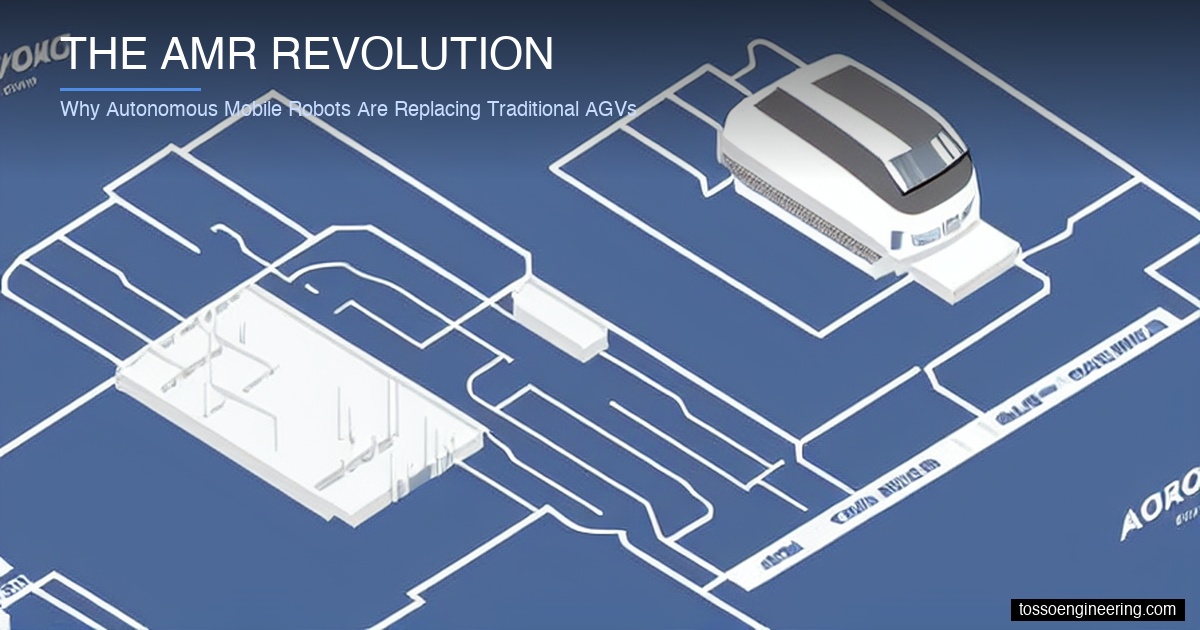
E-commerce growth has accelerated the need for warehouse automation. Autonomous mobile robots (AMRs), automated storage and retrieval systems (AS/RS) and intelligent sorting solutions help companies handle high order volumes with fewer errors and faster turnaround times.
T-Truck: Autonomous Transport Robot
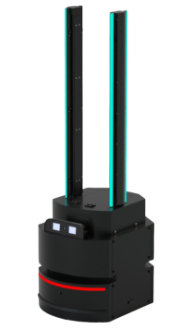
T-Truck is Tosso Engineering’s autonomous transport robot designed for factory and warehouse environments. It uses LIDAR-based SLAM navigation to move materials without human intervention, operating safely alongside workers and other equipment.
T-Truck key features:
- Autonomous Navigation: LIDAR and SLAM algorithms for environment mapping and route planning
- Obstacle Avoidance: Real-time obstacle detection and automatic route adjustment
- High Capacity: Up to 500 kg payload capacity for heavy industrial loads
- Fleet Management: Multi-robot coordination and centralized control for large deployments
- Automatic Charging: Returns to charging station when battery is low, minimizing downtime
- API Integration: Connects with WMS, ERP and MES systems via open API
Robotic Solutions for Service Sectors

Service robotics is one of the fastest growing segments of the robotics industry. Unlike industrial robots that work behind safety fences, service robots interact directly with people in public-facing environments, requiring advanced safety features and natural communication capabilities.
Healthcare Robotics
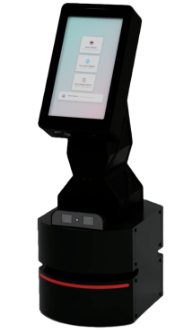
Dobby-Health is an autonomous service robot designed for hospitals and clinics. It assists with patient guidance, information delivery and wayfinding in healthcare facilities. Key capabilities include:
- Multilingual NLP communication in 20+ languages for international patient support
- Autonomous patient accompaniment to departments and examination rooms
- High-resolution touchscreen interface for interactive information services
- Integration with hospital management systems and appointment platforms
Hospitality and Restaurant Robots
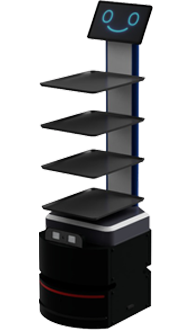
Dobby-Serve handles food delivery, table service and guest interaction in restaurants and hotels. It improves service speed, reduces wait times and creates a memorable guest experience that drives repeat visits and positive reviews.
Retail and In-Store Automation
Dobby-Ad serves as an interactive advertising and customer engagement platform in retail environments. It greets customers, provides product information, offers personalized recommendations and guides them through the store.
Logistics and Stock Management
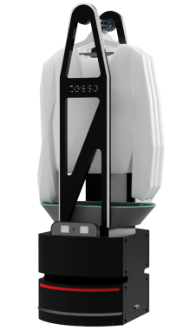
Dobby-Cart is designed for internal logistics and stock management in large retail stores and warehouses. It autonomously transports goods, assists with inventory operations and reduces the physical burden on staff.
IoT and Remote Control in Robotics
Modern robotic systems rely heavily on IoT connectivity and remote control capabilities. These technologies allow operators to monitor, control and update robotic fleets from centralized locations, enabling efficient management of large-scale deployments.
Remote-C: Remote Control System
Tosso Remote-C is an advanced remote control system for industrial robots and automation equipment. It provides low-latency, high-reliability control for:
- Industrial robot arm teleoperation and monitoring
- Unmanned ground vehicle (UGV) management and coordination
- Hazardous zone equipment control without human presence
- Warehouse automation system monitoring and intervention
- Custom automation project control and debugging
Tossoduino: Scalable IoT Controller
Tossoduino is a versatile IoT controller platform for prototyping, education and small-scale automation projects. It allows engineers and students to learn robotics fundamentals through hands-on experimentation, then scale their designs to production environments.
Key Technologies Behind Next-Generation Robots
The latest generation of robotic engineering solutions combines multiple advanced technologies to deliver unprecedented capabilities:
- Artificial Intelligence: Machine learning, computer vision, natural language processing and decision-making algorithms that enable autonomous operation
- LIDAR and 3D Mapping: Precise environment scanning for navigation, obstacle avoidance and spatial awareness
- Edge Computing: On-device processing for real-time decision making without cloud dependency or latency
- 5G and WiFi 6: Ultra-low latency communication for real-time robot control and data streaming
- Digital Twins: Virtual replicas of physical systems for simulation, testing and optimization before deployment
- Cobots: Collaborative robots designed to work safely alongside humans in shared workspaces
According to Statista’s robotics market forecast, the global robotics market is expected to reach $260 billion by 2030, driven by advances in AI, IoT and autonomous systems.
Industries That Benefit from Robotic Engineering Solutions
Robotic engineering solutions deliver value across a wide range of industries:
- Automotive: Welding, painting, assembly, quality inspection and autonomous logistics
- Food and Beverage: Packaging, labeling, sorting and hygiene-compliant handling
- Healthcare: Patient guidance, medication delivery, surgical assistance and disinfection
- Logistics: Order picking, sorting, palletizing and last-mile delivery optimization
- Retail: Customer service, inventory management, shelf scanning and interactive advertising
- Agriculture: Harvesting, crop monitoring, precision spraying and autonomous field operations
How to Plan a Successful Robotics Project
Implementing robotic engineering solutions requires careful planning and expert guidance:
1. Needs Assessment: Identify which processes will benefit most from automation. Not every task needs a robot. Book a consultation with Tosso Engineering’s experts to evaluate your specific requirements and identify high-impact opportunities.
2. Infrastructure Compatibility: Ensure new robotic systems integrate with existing production lines, ERP systems and warehouse management software. Compatibility planning prevents costly retrofits.
3. Scalability: Choose solutions that can grow with your business. Modular designs allow gradual expansion without replacing entire systems as demand increases.
4. Training and Maintenance: Operator training and regular maintenance schedules are essential for long-term system performance and return on investment.
5. Cybersecurity: Connected robotic systems must be protected against cyber threats. Security protocols, network segmentation and regular updates should be part of every deployment plan.
Return on Investment in Robotic Automation
Robotics investments typically deliver measurable returns within 2 to 4 years. The main cost savings come from:
- Reduced labor costs for repetitive and physically demanding tasks
- Lower error rates and reduced material waste
- Increased production throughput and faster order fulfillment
- Reduced workplace injuries and associated insurance costs
- Better resource utilization through data-driven optimization
Companies that invest in robotic engineering solutions often see 25-40% improvement in operational efficiency within the first year of deployment, with continued gains as the system matures and scales.
Conclusion
Robotic engineering solutions are no longer optional for companies that want to remain competitive in today’s fast-moving market. From autonomous transport robots like T-Truck to intelligent service robots like Dobby-Health, the technology is mature, accessible and delivering real business value across industries.
Tosso Engineering designs and manufactures all its robotic systems in-house, ensuring high quality, customization and long-term support. To discuss your robotics project and get a tailored solution, book a 1:1 call with our engineering team. Explore our complete product portfolio to find the right solution for your business.
Frequently Asked Questions
What are robotic engineering solutions?
Robotic engineering solutions are integrated systems that combine mechanical design, electronics, software and AI to perform physical or digital tasks with minimal human intervention. They are used in manufacturing, logistics, healthcare, retail and many other industries to improve efficiency, reduce costs and enhance quality.
Which industries use robotic automation?
Automotive, food and beverage, healthcare, logistics, retail, agriculture and electronics industries are the largest adopters of robotic automation. Each sector uses robotic engineering solutions for different applications ranging from precision assembly to customer service and autonomous delivery.
What is an autonomous mobile robot?
An autonomous mobile robot (AMR) is a robot that can navigate and move independently in dynamic environments using sensors, cameras and AI algorithms. Unlike traditional automated guided vehicles (AGVs), AMRs do not require fixed paths or infrastructure modifications, making them more flexible and easier to deploy.
Can robots be integrated into existing facilities?
Yes. Modern robotic engineering solutions are designed with modularity and compatibility in mind. They can be integrated into existing production lines, warehouses and service environments with minimal infrastructure changes. Tosso Engineering provides end-to-end integration support including site assessment, installation and training.
What robotic solutions does Tosso Engineering offer?
Tosso Engineering offers a complete range of robotic solutions including T-Truck autonomous transport robots, Dobby-Serve hospitality robots, Dobby-Health healthcare robots, Dobby-Ad retail robots, Dobby-Cart logistics robots, Remote-C control systems and Tossoduino IoT controllers.